
Most structures are the accumulated residue of past decisions
Very few organisation charts were designed. They're the result of a role created for someone who has since left, a team that reported to whoever had capacity at the time, a layer added during a growth period and never removed, and a function that sits where it does because of a personality rather than a rationale.
That's normal, and mostly tolerable, until the business changes shape. Then the structure starts actively working against what the organisation is trying to do.
You might be dealing with
- Growth that has outpaced how the business is organised
- Too many layers between the front line and decisions
- Managers with spans of control that are unmanageable, or so small the role isn't real
- Unclear accountability, where several people own something and nobody does
- Duplication across sites, functions or a recently combined business
- A cost reduction requiring structural change rather than headcount trimming
- New work the current structure has no obvious home for
- A structure designed for a project now running an operation
What's included
- Current state assessment How the structure actually works, as distinct from the chart: including the informal arrangements people have built to work around it.
- Design principles Agreed with leadership before any boxes are drawn. Without them, design becomes a negotiation about individuals rather than a structural decision.
- Structural options Genuine alternatives with the trade-offs made explicit, rather than one proposal presented as inevitable.
- Roles and accountabilities What each role owns, decides and is answerable for: with the overlaps and gaps resolved rather than left to be discovered.
- Spans and layers Sized for the work, the risk and the capability of the people doing it, not applied as a formula.
- Transition planning How you get from here to there, including consultation obligations and selection where roles change materially.
Design principles we'd usually apply
- Design for the work, not the people. Then deal with people separately and honestly. Structures built around individuals fail when those individuals leave.
- Accountability sits with one person. Shared accountability is usually no accountability.
- Fewer layers, closer to the work. Every layer adds delay and dilutes information.
- Spans reflect complexity. A supervisor managing eight people across three shifts on a remote site has a bigger job than one managing eighteen in an office.
- Don't move a problem. Restructuring around a capability or performance issue relocates it.
Our experience
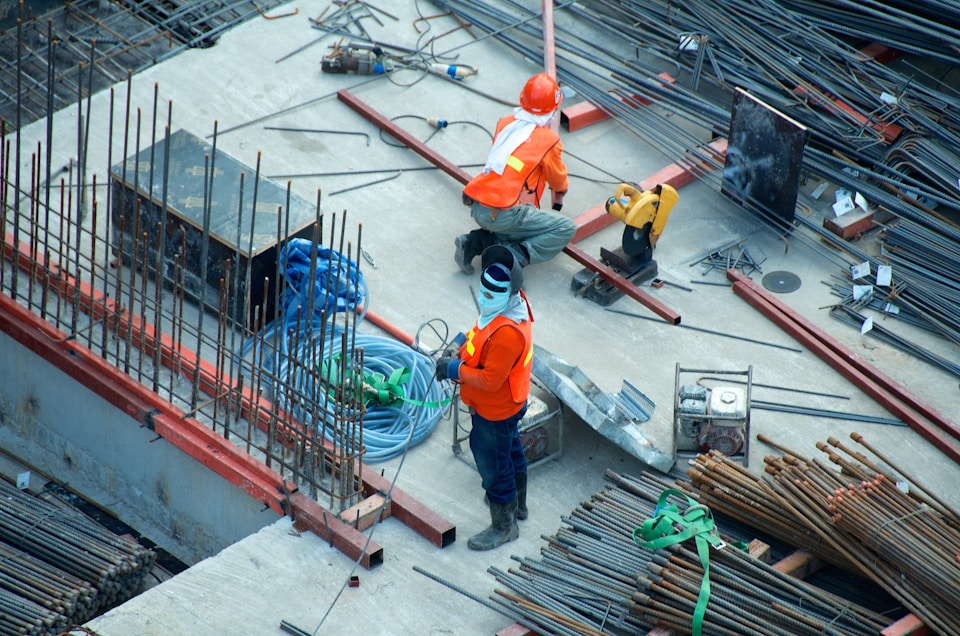
Organisation design and operating model work across resources, construction, energy and aviation. Including structures for newly listed and newly acquired businesses, functions built from the ground up, and structural change through downturns and integrations.
Common questions
How is this different from a restructure?
Organisation design is the thinking: what the structure should be and why. A restructure is the implementation, with consultation, selection and redundancy obligations attaching. Most design work leads into a restructure, and we handle both.
Does this always mean job losses?
No. Plenty of design work is about clarity, accountability and decision-making rather than cost. Where roles do change or reduce, we'd tell you that early rather than let it emerge.
Should we tell people we're reviewing the structure?
Usually yes, in general terms. A review conducted in visible secrecy generates more anxiety than the review itself warrants, and these things are never as secret as leadership assumes.
Ready to talk?
Tell us what you need and we'll take it from there.
Related services
All services →Restructures & Redundancy
Consultation obligations, selection criteria, redeployment, notice and entitlements, and the individual conversations: fair, documented and defensible.